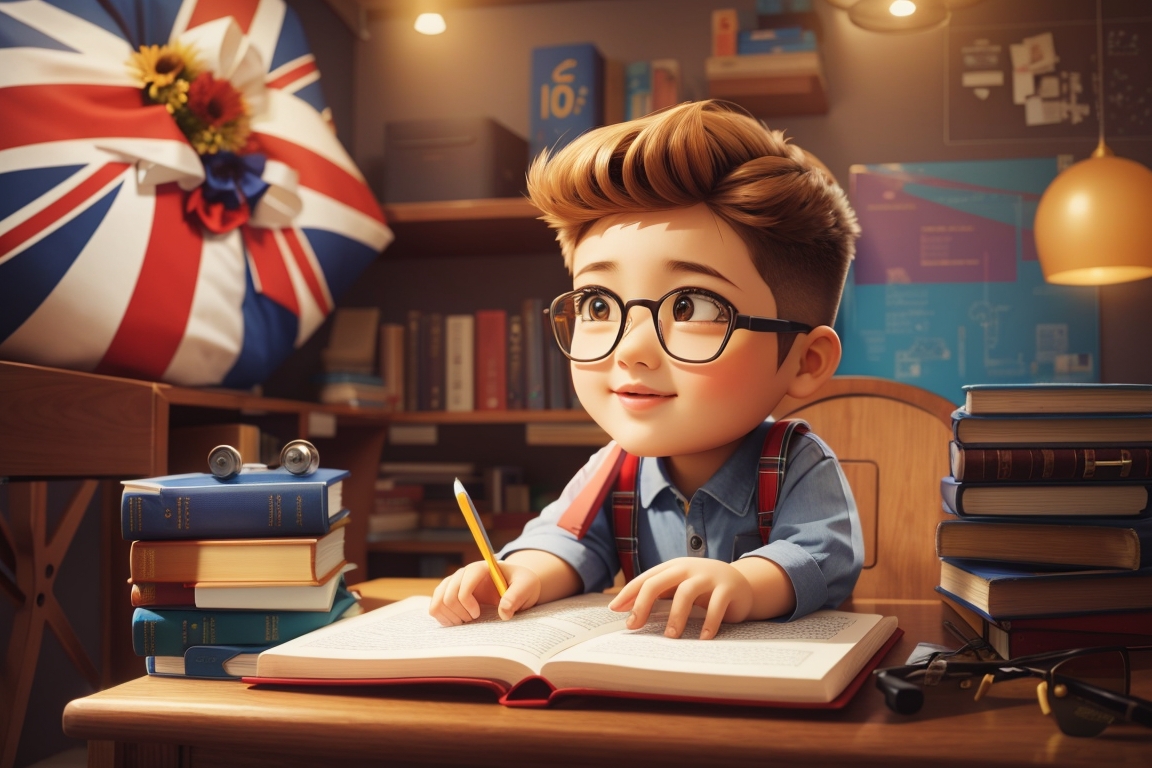
Throughout history, cultures around the world have spun captivating tales of extraordinary feats and mythical characters, weaving threads of humor, exaggeration, and the fantastical into their narratives. These stories, often rooted in local folklore and traditions, have captivated audiences for centuries, offering a glimpse into the unique perspectives and values of different societies. Here, we delve into five of the most celebrated tall tales from around the globe, exploring their origins, enduring appeal, and the cultural insights they impart.
Anansi (West Africa)
Anansi, a shape-shifting spider from Akan folklore, is known for his trickery and wit. He often uses his cleverness to outsmart others and get what he wants. Anansi’s stories teach lessons about morality, social norms, and the importance of resourcefulness.
Odysseus (Greece)
Odysseus, the cunning Greek hero from Homer’s epic poem, the Odyssey, is renowned for his intelligence, resourcefulness, and ability to overcome seemingly insurmountable obstacles. His ten-year journey home after the Trojan War is filled with encounters with mythical creatures, treacherous storms, and seductive temptresses.
Kintoki (Japan)
Kintoki, a superhuman child from Japanese mythology, is known for his incredible strength and mischievous antics. As a toddler, Kintoki is said to have wrestled bears and lifted boulders with ease. His strength was so legendary that he was even able to defeat a demon.
Check out our channels on:
YouTube or
TikTok
The Legend of King Arthur and the Knights of the Round Table
The legend of King Arthur and the Knights of the Round Table is one of the most enduring and popular stories in British mythology. It is a tale of chivalry, adventure, and betrayal, and it has been retold countless times in literature, film, and television.
The story of King Arthur begins with his birth, which is shrouded in mystery. Some say that he was the son of Uther Pendragon, King of Britain, and Igraine, the wife of Duke Gorlois of Cornwall. Others say that he was the son of an elf and a human woman.
Regardless of his parentage, Arthur was destined to become a great king. He was raised by Sir Ector, a foster father, and he learned the ways of knights and nobles. When he was 15 years old, Arthur pulled the sword Excalibur from a stone, which proved that he was the true king of Britain.
Arthur’s reign was a time of peace and prosperity. He established the Knights of the Round Table, a fellowship of knights who pledged to uphold the values of chivalry, justice, and honor. Together, Arthur and his knights faced many challenges, including battles against dragons, giants, and rival kingdoms.
The most famous of Arthur’s knights is Sir Lancelot, who was known for his bravery and skill in battle. Lancelot was also deeply in love with Arthur’s wife, Queen Guinevere. This love affair led to tragedy, as Lancelot and Guinevere were caught in a web of deceit and betrayal.
The legend of King Arthur is a complex and fascinating story that has been interpreted in many different ways. It is a story about the power of leadership, the importance of loyalty, and the dangers of temptation. It is a story that continues to inspire and entertain people of all ages.
WORD OF THE DAY !
Abdominalia
A group of cirripeds having abdominal appendages.
See The Short:
The Loch Ness Monster
The Loch Ness Monster, also known as Nessie, is a legendary creature that is said to inhabit Loch Ness, a large freshwater lake in the Scottish Highlands. The first reported sighting of Nessie was in 565 AD when Saint Columba is said to have saved a man from the creature’s jaws.
Since then, there have been hundreds of reported sightings of Nessie. Most of these sightings are anecdotal, but there have been a few pieces of physical evidence that suggest the creature may exist. In 1934, a photograph known as the “Surgeon’s Photograph” was taken, which appears to show a large, elongated creature swimming in the loch. However, the photograph has been disputed, and it is not clear what it actually shows.
In 1960, a sonar image was taken that appears to show a large object moving underwater in Loch Ness. However, this image has also been disputed, and it is not clear what it actually shows.
Despite the lack of conclusive evidence, the Loch Ness Monster remains one of the most popular cryptids in the world. There are many theories about what Nessie could be, including a plesiosaur, a giant eel, or even a hoax.
The legend of Nessie has been a major tourist draw for the Scottish Highlands, and it continues to fascinate people around the world. Whether or not Nessie exists is a matter of debate, but there is no doubt that the creature is a part of Scottish folklore and culture.
Twine
Trochaic
Tracker
Tinware
Townwards
Teel
Toddler
Tantalite
Tristitiate
Ted
Terrible
Turnstone
Topsail
Trachymedusae
Toxoglossa Learning-By-Shorts appreciates the support, which allows us to continue to create free content on YouTube,TikTok and other channels.
A twist; a convolution.
A trochaic verse or measure.
One who, or that which, tracks or pursues, as a man or dog that follows game.
Articles made of tinned iron.
Toward a town.
Sesame.
One who toddles; especially, a young child.
A heavy mineral of an iron-black color and submetallic luster. It is essentially a tantalate of iron.
To make sad.
To spread, or turn from the swath, and scatter for drying, as new-mowed grass; -- chiefly used in the past participle.
Adapted or likely to excite terror, awe, or dread; dreadful; formidable.
Any species of limicoline birds of the genera Strepsilas and Arenaria, allied to the plovers, especially the common American and European species (Strepsilas interpres). They are so called from their habit of turning up small stones in search of mollusks and other aquatic animals. Called also brant bird, sand runner, sea quail, sea lark, sparkback, and skirlcrake.
In a square-rigged vessel, the sail next above the lowermost sail on a mast. This sail is the one most frequently reefed or furled in working the ship. In a fore-and-aft rigged vessel, the sail set upon and above the gaff. See Cutter, Schooner, Sail, and Ship.
A division of acalephs in which the development is direct from the eggs, without a hydroid stage. Some of the species are parasitic on other medusae.
A division of marine gastropod mollusks in which the radula are converted into poison fangs. The cone shells (Conus), Pleurotoma, and Terebra, are examples. See Illust. of Cone, n., 4, Pleurotoma, and Terebra.